
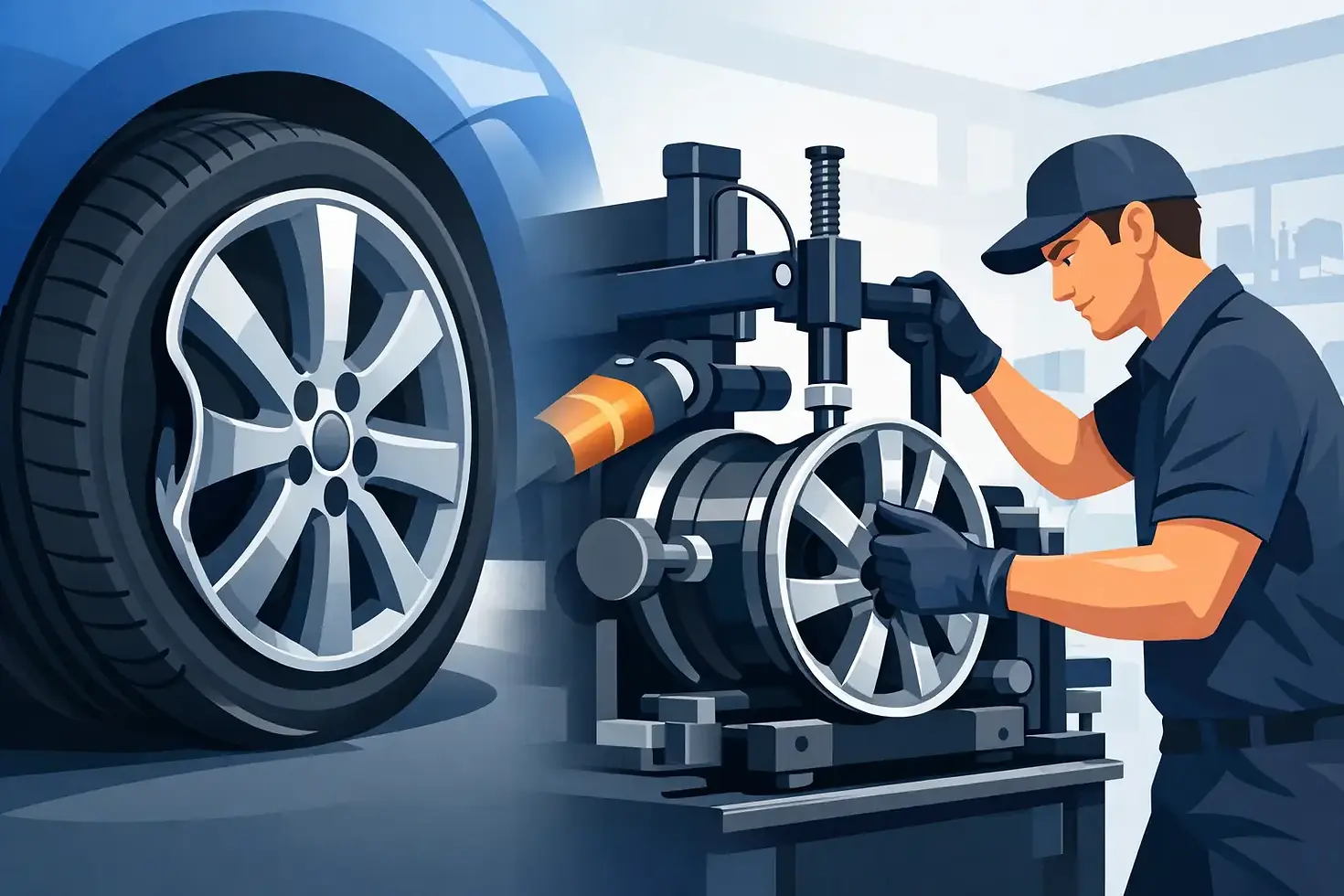
Bent Rim Straightening Pickering Drivers Can Trust
A pothole can be enough to turn a normal commute into a steering-wheel vibration, a slow tire leak, or a vehicle that no longer feels settled at highway speed. Bent rim straightening Pickering drivers rely on begins with identifying the real cause of the problem, not simply treating the symptom. A properly inspected and repaired wheel can help restore a secure tire seal, smoother ride quality, and the confident handling your vehicle needs.
For drivers across Pickering, Durham Region, and the GTA, wheel damage is not always obvious. A rim may look fine from the outside while a bend on the inner barrel affects balance or prevents the tire from sealing correctly. That is why professional assessment matters, especially before a long trip, seasonal tire changeover, or another Canadian winter.
What a Bent Rim Can Do to Your Vehicle
Rims support the tire, help maintain an airtight seal, and keep the wheel assembly rotating as evenly as possible. When a rim is bent, even slightly, the effects can range from minor annoyance to a genuine safety concern. The severity depends on the location of the bend, the type of wheel, the tire condition, and how the vehicle is being driven.
One of the most common signs is vibration through the steering wheel or seat, particularly at certain speeds. Drivers sometimes assume this means they only need wheel balancing. Balancing is essential, but it cannot correct a structural bend in a rim. If the wheel does not spin true, the tire and wheel assembly may continue to create a noticeable shake even after weights are applied.
A bent rim can also cause a recurring loss of air pressure. When the rim lip no longer meets the tire bead evenly, air can escape slowly over time. You may find yourself adding air every few days or receiving repeated low-tire-pressure warnings. That issue should not be ignored. Underinflated tires can wear unevenly, affect handling, reduce fuel efficiency, and create more risk during emergency braking or wet-weather driving.
Other warning signs include a new thumping sound, a pull in the steering, visible damage near the rim edge, or a tire that will not hold pressure after a puncture repair. These symptoms can have several causes, so an inspection is the right next step rather than guessing.
Bent Rim Straightening in Pickering: When Repair Makes Sense
Bent rim straightening is often a practical option when a wheel has a repairable bend but remains structurally sound. The goal is to carefully return the affected area to its proper shape so the rim can support the tire and rotate correctly again. It is not a cosmetic shortcut or a one-size-fits-all repair.
Alloy rims are commonly damaged by potholes, curbs, and rough road surfaces. Many can be straightened when the damage is localized and there are no cracks or serious structural concerns. Steel wheels can also bend, although the repair approach and the decision to repair versus replace can differ. The wheel design, extent of damage, vehicle use, and overall condition all matter.
A repair may be appropriate when the rim has a moderate bend along the lip or barrel, the wheel has no crack, and inspection shows it can safely return to service. Replacement is generally the better decision when there are cracks, extensive deformation, repeated damage, or signs that the rim's integrity has been compromised. A quality shop should be clear about that distinction. Saving money on a repair is never worthwhile if the wheel cannot safely support the demands of daily driving.
This is especially relevant for families, commuters, SUV owners, and truck drivers who depend on their vehicles every day. A wheel that looks acceptable parked in the driveway may behave very differently at highway speeds, under a full load, or when driving through rain and snow.
The Difference Between Straightening, Refinishing, and Balancing
These services are related, but they solve different problems. Rim straightening addresses a physical bend in the wheel. Rim refinishing focuses on appearance, such as curb rash, peeling finish, scratches, or oxidation. Wheel balancing adjusts the distribution of weight around the tire and rim assembly to reduce vibration.
Sometimes a damaged rim needs more than one service. For example, a pothole impact may bend a wheel, leave cosmetic marks, and knock the assembly out of balance. Addressing only the visible scuff may improve appearance without correcting the driving concern. Addressing only the balance may reduce vibration temporarily but leave an air leak or distorted rim profile behind.
A thorough service process looks at the complete wheel and tire assembly. That includes the tire bead area, the inside and outside of the rim, existing tire damage, and the way the wheel performs during balancing. Clear findings help you make an informed decision about repair, replacement, or additional tire service.
What to Expect From a Professional Rim Inspection
The best time to have a suspected bent rim checked is soon after you notice vibration, pressure loss, or impact damage. Continuing to drive on a damaged wheel can worsen tire wear and make it harder to pinpoint the source of the issue.
During an inspection, the tire may need to be removed so the rim can be evaluated closely, including the inner barrel where damage is often hidden. The technician checks for bends, cracks, bead-seat concerns, and signs of previous repairs. The wheel can then be assessed for how it rotates and whether it can be balanced properly.
If straightening is suitable, the repair should be performed with equipment designed to apply controlled correction rather than forceful, improvised methods. The repaired wheel should then be checked again and balanced before it is reinstalled. This attention to detail is what helps turn a repair into a dependable return to the road.
It is also a good opportunity to inspect the tire itself. A hard pothole strike can damage more than the rim. Look for sidewall bulges, cuts, broken belt concerns, or uneven tread wear. Tires with sidewall damage should be treated seriously because the sidewall carries a great deal of the tire's structural load.
Do Not Wait for a Small Problem to Become a Bigger One
A slight steering-wheel shake may seem manageable, but it can place added stress on suspension components and make driving less predictable. A slow leak may lead to chronic underinflation, while uneven contact with the road can shorten tire life. For vehicles equipped with low-profile tires, the risk of rim damage after a pothole impact can be even greater because there is less sidewall cushioning between the road and wheel.
If you recently hit a pothole, curb, or road hazard, pay attention to how the vehicle feels afterward. Check tire pressure when the tires are cold, look for visible sidewall damage, and listen for changes in road noise. If something feels different, scheduling an inspection is more sensible than waiting for the next tire change.
At Total Tire Pickering, drivers can have their wheels and tires assessed by an experienced team focused on safe, practical recommendations. Whether the answer is rim re-straightening, balancing, tire repair, replacement, or refinishing, the priority is clear: help you leave with a vehicle that feels right on the road.
A bent rim does not always mean you need a new wheel, but it always deserves a proper look. Address the concern early, ask whether the wheel is safe to repair, and give your tires the even, secure foundation they need for every trip.


Comments